When dental emergencies happen in Brooklyn, knowing where to turn for fast, reliable care makes all the difference. Whether it’s a sudden toothache, a knocked-out tooth, or severe swelling, getting prompt treatment can save a smile and relieve pain quickly. Emergency dental care in Brooklyn, NY, is available through local clinics that offer same-day appointments and expert care tailored to urgent needs.
These dental providers focus on calming anxious patients and using modern techniques to address problems swiftly and gently. They understand that emergencies can disrupt daily life, so they prioritize comfort and clear communication. People don’t have to wait days to see a dentist when something unexpected happens.
If a dental crisis strikes, Brooklyn dentists are ready to help with a range of services, from pain relief to repairs and extractions. Encouraging an early visit can prevent further complications and support long-term oral health.
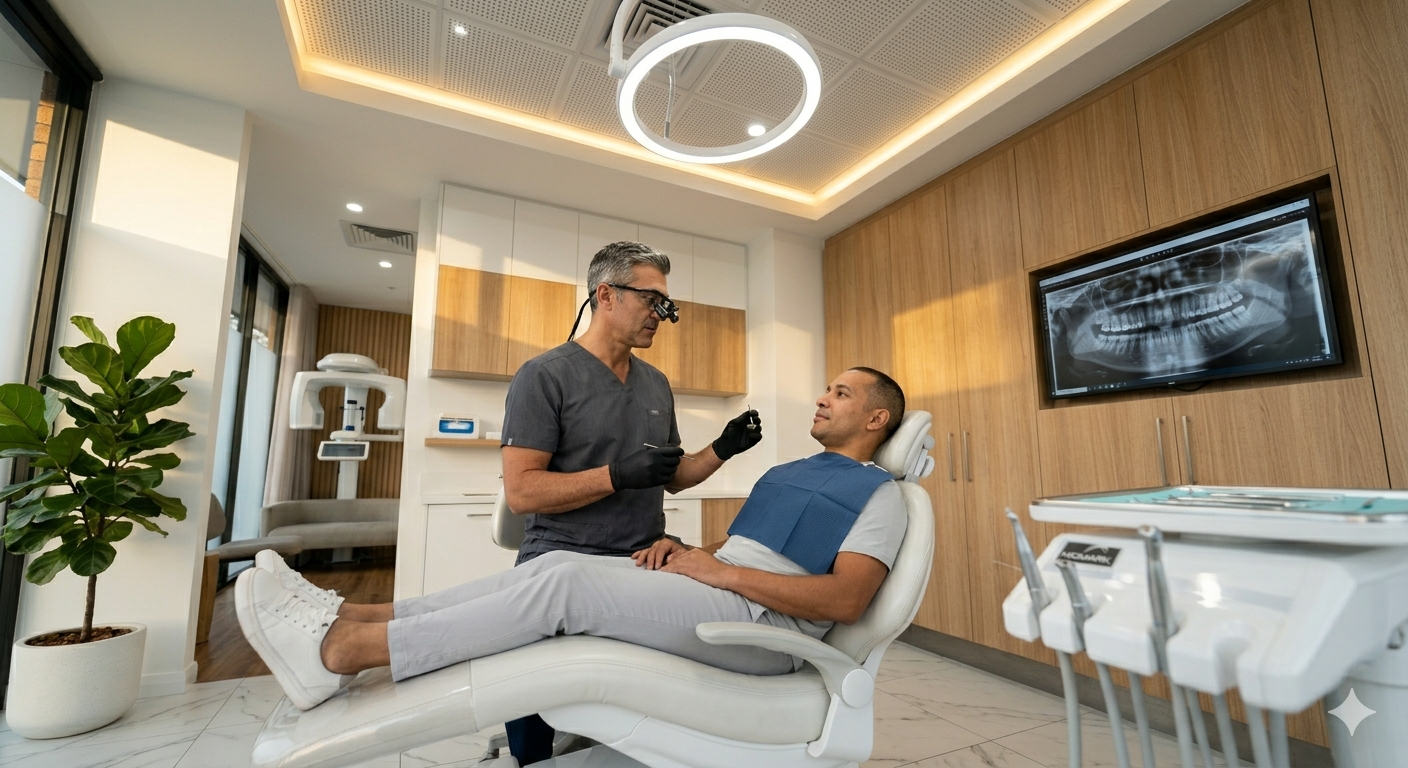
Knowing when dental issues require immediate care can prevent complications and reduce pain. Key signs often involve severe pain, visible damage, or unusual symptoms that appear suddenly.
Severe tooth pain that doesn’t improve with over-the-counter medication is a clear signal to seek help. Pain that radiates to the ear or jaw may indicate infection or nerve involvement.
Broken or knocked-out teeth demand prompt care, especially if the tooth is still intact. Uncontrolled bleeding from the mouth, swelling of the gums or face, and visible abscesses are urgent signs.
Difficulty swallowing, breathing, or high fever accompanying oral symptoms are red flags requiring emergency intervention.
If a tooth breaks or comes out completely, visiting an emergency dentist within an hour greatly improves the chance of saving it. Saving the tooth often involves proper cleaning and quick reimplantation.
Continuous bleeding after trauma or dental procedures that lasts more than 15 minutes needs urgent professional care. Sudden, intense pain accompanied by swelling means infection might be spreading. This can put overall health at risk if left untreated.
Patients experiencing trauma to the mouth from accidents or falls should seek emergency evaluation to rule out serious damage beyond the visible injury.
Ignoring dental emergencies can lead to complications like worsening infections or the need for more invasive treatments. Untreated abscesses can spread bacteria to other parts of the body, causing systemic illness.
Delaying care for a knocked-out tooth reduces chances of saving it permanently. It may also lead to bone loss and shifting of surrounding teeth, affecting long-term dental health.
Persistent pain or swelling should never be dismissed, as it could signal serious underlying issues. Early treatment often means simpler procedures and faster recovery, sparing patients from added discomfort.
Dental emergencies can range from sharp pain to visible damage that needs quick action. Identifying the issue and knowing what steps to take can make a big difference in saving your teeth and easing discomfort.
Severe tooth pain often signals an infection or deep decay affecting the nerve inside the tooth. The pain can be constant or sharp, worsened by hot, cold, or chewing. Left untreated, this can lead to abscesses or further complications.
Pain relief at home might include over-the-counter medication and rinsing with warm salt water. However, it’s important to seek professional care quickly to diagnose and treat the cause, often involving root canal therapy or extraction if necessary.
A broken tooth might involve a small chip or a more serious fracture affecting the root or nerve. A knocked-out tooth is an urgent case that requires prompt reimplantation within 1 hour for the best chance of saving it.
If a tooth breaks, rinsing the mouth with warm water and applying a cold compress can reduce pain and swelling. For knocked-out teeth, handle the tooth by the crown, rinse it gently, and try to place it back or keep it in milk until you reach a dentist.
Fillings or crowns can be lost due to chewing hard foods or trauma. This can expose nerves, causing sensitivity or pain, and increases the risk of infection.
If a filling or crown falls out, it’s possible to use temporary dental cement available at some pharmacies. Avoid chewing on that side and see a dentist as soon as possible to replace the restoration and prevent further damage.
During an emergency dental visit, patients receive prompt care designed to ease pain and address immediate problems. The process includes a careful assessment, using advanced tools, followed by a treatment plan suited to the specific dental issue.
When a patient arrives, the first priority is to assess the severity of the situation quickly. The dental team asks about the pain level, how the injury or problem began, and any previous dental history.
Comfort is addressed immediately. This might include administering pain relief, applying ice packs, or using local anesthesia to numb the area. Staff work to create a calm atmosphere, helping patients feel safe even in stressful moments.
The initial exam focuses on visible damage, swelling, or signs of infection. This assessment guides the next steps and ensures urgent cases receive priority.
Once the initial exam is complete, the dentist uses diagnostic tools to get a clearer picture. X-rays are commonly taken to check for fractures, tooth root damage, or abscesses not visible to the naked eye.
In some cases, digital imaging or intraoral cameras provide detailed views inside the mouth. These tools help the dentist pinpoint the problem quickly without unnecessary delay.
This phase is crucial to avoid assumptions. Precise diagnostics ensure treatment targets the exact cause, preventing further complications down the line.
After gathering all necessary information, the dentist discusses the treatment options with the patient. The plan focuses on stabilizing the issue first, whether that means cleaning wounds, repairing broken teeth, or starting antibiotics if infection is present.
Each treatment is customized. For example, some patients might need a temporary fix followed by a more permanent solution later, while others require immediate comprehensive care.
The dentist also explains what to expect during recovery and offers advice to prevent future emergencies. This transparency helps patients feel empowered in their care decisions.
Emergency dental care focuses heavily on ensuring patient comfort and managing pain quickly and effectively. The right approach combines gentle techniques with advanced pain relief methods to help patients feel safe and cared for during urgent treatments.
Dentists in Brooklyn prioritize gentle care to reduce anxiety and minimize discomfort. They use calming communication, explain each step clearly, and work at a pace suited to the patient’s tolerance. Techniques like using soft tissue retractors and careful instrument handling lessen irritation and avoid unnecessary pressure on sensitive areas.
For children or nervous patients, sedation options such as nitrous oxide (laughing gas) provide a relaxed state without full anesthesia. This helps patients stay calm and comfortable. Staff also often offer warm blankets or soothing music to create a peaceful treatment environment, making the emergency visit less intimidating.
Pain control during emergency dental care uses a combination of local anesthetics and other modern options. Dentists administer fast-acting numbing agents like lidocaine to block pain at the site immediately. They monitor patients closely to adjust doses and ensure effectiveness.
For ongoing discomfort after treatment, dentists might recommend over-the-counter pain relievers or prescribe medications tailored to the severity of pain. Newer approaches also include laser therapy for reducing inflammation and speeding healing. These tools work together to keep pain manageable both during and after emergency procedures.
Selecting a dependable emergency dentist in Brooklyn can make a big difference during urgent situations. Knowing what to look for and how to get ready for a visit helps reduce stress and ensures quick, effective care.
A trustworthy emergency dentist should offer prompt availability, ideally with same-day appointments or after-hours service. This helps when pain or injury occurs unexpectedly. Look for someone with experience in handling common emergencies like toothaches, broken teeth, or abscesses.
Clear communication is essential. The dentist should explain treatment options calmly and answer questions fully, so patients feel informed and comfortable. Modern facilities equipped with updated technology also contribute to better outcomes and faster diagnostics.
Patient comfort matters, too. A dentist who prioritizes gentle care and pain management makes stressful visits easier. Checking reviews and credentials in Brooklyn provides insight into reliability and professionalism.
Before arriving, gather key information like your dental history, current medications, and details about the emergency. This helps the dentist provide targeted care faster. Bringing a list of symptoms and any immediate pain relief steps taken can also be useful.
Arrive a little early to fill out necessary paperwork, especially if it’s your first visit. Be ready to describe your issue clearly and honestly; this allows for accurate diagnosis and treatment planning.
Consider insurance details or payment options ahead of time. Knowing what your plan covers can ease financial concerns. Finally, follow any pre-appointment instructions provided by the dental office to ensure the best care possible.
Temporary care at home can ease discomfort and prevent further damage. Simple actions can protect teeth and manage pain while waiting for professional treatment.
To manage tooth pain, over-the-counter pain relievers like ibuprofen are effective. They reduce inflammation and help with moderate to severe discomfort. Avoid aspirin directly on gums, as it can cause irritation.
Cold compresses applied outside the cheek near the painful area can numb the pain and reduce swelling. Use it for 15 minutes on and 15 minutes off. Rinsing the mouth gently with warm saltwater also helps clean the area and soothe irritated tissues.
Avoid very hot, cold, or sugary foods, which may worsen pain. Chewing on the opposite side of the mouth prevents pressure on the injured tooth. Keeping the head elevated while resting can reduce blood flow to the area and lessen throbbing.
If a tooth is chipped or cracked, rinsing the mouth carefully with warm water keeps the area clean. Avoid biting or chewing on the damaged side to prevent worsening the injury.
If a piece of tooth breaks off, save it in milk or saline and bring it to the dental appointment. In case of a knocked-out tooth, handle it by the crown, rinse it lightly if dirty, and place it back in the socket or keep it in milk until reaching the dentist.
Using dental wax or sugarless gum to cover sharp edges can protect the tongue and cheek from cuts. Maintaining good oral hygiene without aggravating the injury is key, so brush gently around the affected tooth and avoid flossing near the damage until seen by a professional.
Taking simple, consistent steps can greatly reduce the risk of sudden dental problems. Paying attention to daily care and protecting teeth during activities helps maintain strong, healthy smiles that are less likely to face emergencies.
Brushing teeth twice a day with fluoride toothpaste is essential. Brushing removes plaque and bacteria that lead to decay and gum disease, which are common causes of dental emergencies. Flossing daily clears food particles from between teeth where brushes can’t reach.
Limiting sugary snacks and drinks also protects enamel from weakening. Drinking plenty of water helps wash away leftover food and keeps saliva flowing, which naturally defends against cavities.
Regular dental checkups every six months allow early detection of issues like cracks or infections. Early treatment stops minor problems from turning into urgent situations. Consistency in these habits builds a strong foundation for oral health that is harder to disrupt unexpectedly.
Wearing a custom-fitted mouthguard during contact sports like basketball, football, or hockey shields teeth from impact. Over-the-counter guards can help but may not fit as securely or comfortably.
Avoid chewing on hard objects such as ice, pens, or hard candy, which can cause chips or cracks. Using teeth only to bite food, not other items, protects them from damage.
For patients who grind or clench their teeth at night, a nightguard reduces wear and the risk of fractures. Dentists can recommend or create these devices.
Simple precautions during activities and daily routines prevent many common causes of dental emergencies, especially tooth fractures and knocked-out teeth.
Many Brooklyn dental offices offer after-hours emergency care to help patients when pain or injury strikes outside regular business times. These options might include evening appointments or weekend availability. It’s always a good idea to have a local emergency number saved.
Community health centers in Brooklyn provide affordable emergency dental services, especially for those without insurance. Facilities like Brooklyn Health Center and NYC Health + Hospitals often have programs designed for urgent dental care at reduced costs.
Here’s a quick list of helpful options:
| Resource | Service Type | Contact Info |
|---|---|---|
| Brooklyn Health Center | Emergency dental care | (718) 123-4567 |
| NYC Health + Hospitals | Walk-in emergency | (844) 692-4692 |
| Local Urgent Care Clinics | Basic dental trauma | Varies by location |
For serious pain or bleeding, some hospital emergency rooms can provide immediate care. While they may not offer full dental treatment, they can manage severe symptoms and refer to specialists.
Patients should always call ahead if possible to check availability and advice on what to bring. Having a dental emergency kit ready at home, including pain relief and a list of nearby clinics, can reduce stress during an urgent situation.
Emergency dental situations can be stressful, but knowing what steps to take and what options are available helps patients feel more prepared. This section covers immediate actions, appointment logistics, costs, and ways to manage pain safely at home.
Rinse your mouth gently with warm water to clean the area. Use a cold compress on your cheek to reduce swelling and avoid placing aspirin or painkillers directly on the gums.
If pain is severe or accompanied by fever, call an emergency dentist or visit an urgent care clinic promptly.
Many emergency dental offices in Brooklyn accept same-day walk-ins, especially for pain or injury. It’s best to call ahead if possible.
Bring your ID, any dental insurance information, a list of current medications, and any recent dental records if available.
Severe pain, uncontrolled bleeding, swelling affecting breathing or swallowing, and knocked-out teeth need immediate care.
Minor chips, loose crowns, or mild sensitivity can often wait until regular office hours, but call to check just in case.
Several clinics offer sliding scale fees or discounted emergency care based on income. Community health centers and dental schools often provide low-cost services.
Payment plans or credit options may also be available to make treatment more affordable.
Many emergency dental providers in Brooklyn accept Medicaid and Healthfirst, but coverage varies by plan and service type.
Patients should confirm eligibility and what treatments are covered before care to avoid unexpected costs.
Rinse with warm salt water several times a day to reduce bacteria. Use over-the-counter pain relievers like ibuprofen as directed.
Avoid hot, cold, or sugary foods and try not to chew on the affected side to minimize discomfort.