You live in Brooklyn and want a discreet, comfortable way to straighten teeth without the hassle of metal brackets. Invisalign often gives faster, less noticeable results and lets you keep your usual routine — eating, speaking, and smiling with confidence while treatment stays out of sight.
They use clear, removable aligners custom-fit to your mouth, so you can maintain oral hygiene and avoid dietary limits. Local providers tailor plans to your needs, balancing aesthetics, comfort, and long-term oral health.
This post explains how Invisalign works, compares it with traditional braces, outlines who makes a good candidate, and shows what to expect during treatment in Brooklyn — so you can decide if it fits your lifestyle and next steps.
How Invisalign Works
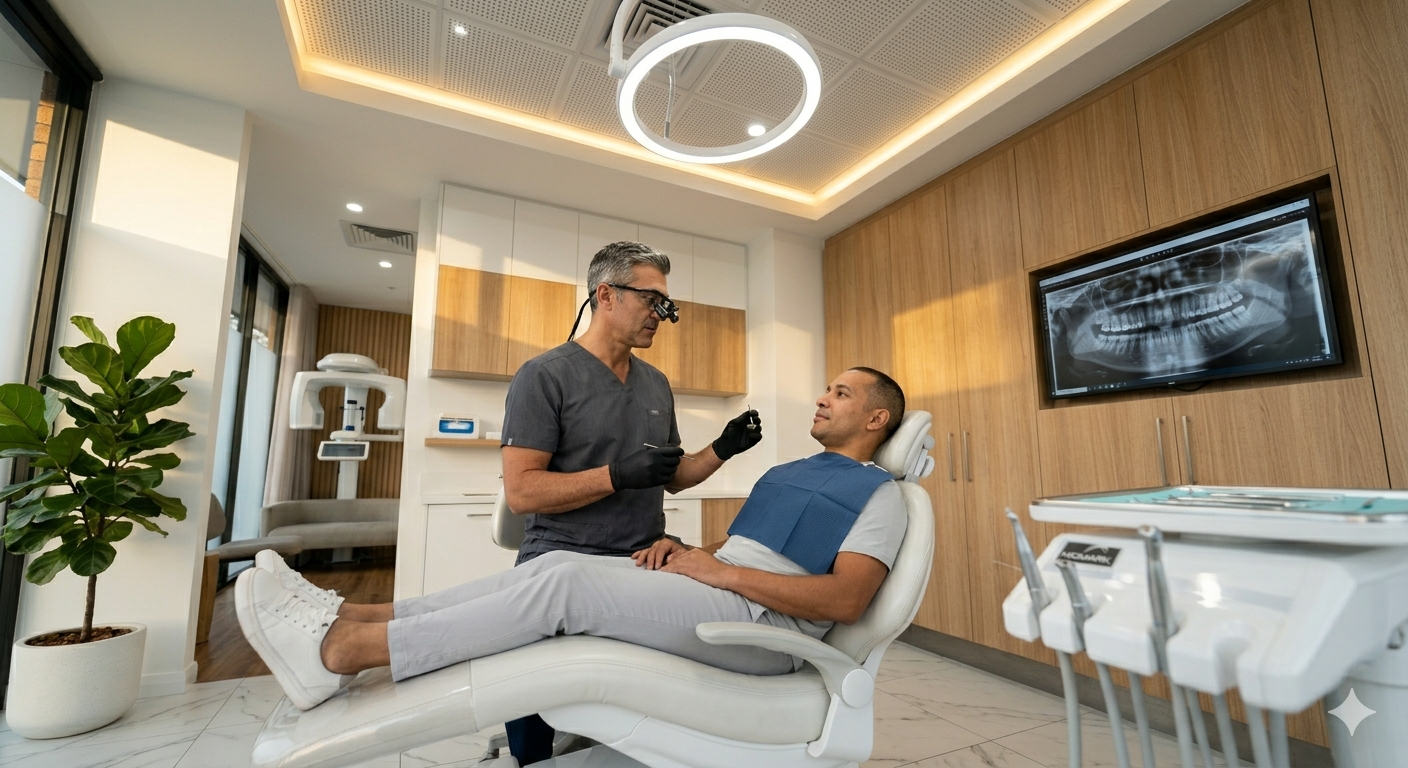
Invisalign moves teeth using a series of clear, removable aligners that are precisely designed to apply controlled pressure to specific teeth. The process combines 3D scanning, custom fabrication, and regular clinical checks to translate a digital treatment plan into gradual tooth movement.
Custom Aligner Fittings
The dentist or orthodontist begins with a digital scan or physical impressions of the patient’s teeth to capture exact tooth positions and bite relationships. Those images feed into treatment software that maps each tooth’s movement in stages and designs a sequence of aligners to achieve those changes.
Each aligner is milled from medical-grade, BPA-free thermoplastic and fits snugly over the teeth. The lab or manufacturer produces the aligners to within tenths of a millimeter tolerance so each tray nudges teeth a little farther along the plan.
At the first fitting, the clinician checks fit, comfort, and contact points. They mark any areas needing small adjustments and may attach clear composite “buttons” or use IPR (interproximal reduction) to create space, depending on the planned tooth movements.
Step-by-Step Treatment Process
Treatment typically starts with an initial consultation and full oral exam to confirm candidacy and plan identity-specific goals. The clinician sets a timeline—often 6 to 18 months—and estimates the number of aligner sets needed based on complexity.
Patients wear each aligner for about 20–22 hours per day, changing to the next tray every 1–2 weeks as instructed. They remove trays for eating and oral hygiene, which makes maintaining a normal diet and brushing routine straightforward.
Mid-treatment refinements are common: if teeth don’t follow the predicted path exactly, the clinician orders additional aligners or tweaks attachments. Compliance with wear time and regular check-ups directly affects how closely the actual progress matches the original plan.
Monitoring Progress with Your Dentist
Dentists schedule periodic check-ups—usually every 6 to 10 weeks—to verify tooth movement, evaluate fit, and adjust attachments or recommend refinements. These visits last 10–30 minutes and include visual inspection, bite checks, and occasional short scans or photos.
Some practices use remote monitoring tools that let patients upload photos weekly; clinicians review the images and advise if in-office adjustments are necessary. Remote checks reduce chair time while keeping a tight watch on progress.
If movement stalls or attachments break, the clinician intervenes with additional aligners, reprofiling, or minor in-office procedures. Clear communication about discomfort, lost trays, or lifestyle issues helps the dentist keep the treatment on track and maintain patient comfort.
Call the dental office to schedule a consultation if questions arise or to review personalized treatment timelines and cost estimates.
Aesthetics and Comfort
Clear aligners sit discreetly and feel gentle, allowing patients to smile confidently while wearing them. They combine a low-profile look with soft materials so wearers in Brooklyn can pursue daily life without obvious orthodontic hardware.
Nearly Invisible Appearance
Invisalign aligners use clear, medical-grade thermoplastic that closely matches tooth color. When fitted properly, they cover teeth with thin, precision-cut trays that reduce the visibility of orthodontic treatment compared with metal brackets and wires.
Many adults choose Invisalign for professional and social reasons. Photogenic moments, meetings, and public-facing jobs feel less disruptive because the aligners don’t draw attention. For people who worry about a “metal smile,” the visual discreetness often leads to higher treatment acceptance and better daily confidence.
Aligners are custom-made from 3D scans, so edges and fit follow each tooth’s contour. This tailored fit minimizes gaps and reflections that can make trays noticeable under close inspection or bright light.
Smooth and Gentle Materials
The aligners use smooth, BPA-free plastic designed to minimize soft-tissue irritation. Unlike brackets and wires that can rub cheeks and lips, the rounded edges of aligners reduce sores and the need for wax.
Patients often report a short break-in period of mild pressure when switching to a new tray, which indicates tooth movement. Discomfort typically peaks in the first 48–72 hours and eases as teeth adapt. Over-the-counter pain relievers and soft foods during that window help manage soreness.
Because the material is non-porous, it resists staining and odor when cleaned daily. Regular rinsing and brushing the aligners prolong clarity and reduce bacterial buildup, supporting both comfort and oral hygiene throughout treatment.
No Dietary Restrictions
Removable trays let patients eat without altering their diet. He or she can enjoy crunchy, sticky, or hard foods by taking out the aligners during meals and brushing before reinserting, avoiding the dietary limits imposed by braces.
This flexibility simplifies dining routines and social meals in Brooklyn’s diverse food scene. It also reduces emergency visits for broken brackets or trapped food that can occur with fixed appliances.
To protect aligner fit and oral health, wearers should brush and floss after eating before placing trays back in. Storing aligners in their case during meals prevents loss and damage.
Personalized Care in Brooklyn
Patients find treatment that fits their daily lives, schedules, and comfort needs. Providers balance clinical precision with practical planning so care integrates smoothly into work, school, and family routines.
Local Dental Expertise
Brooklyn providers combine Invisalign certification with years of experience treating diverse bite and cosmetic issues. They assess skeletal relationships, tooth alignment, and soft-tissue esthetics using 3D scans and intraoral photos, then design staged movements to minimize discomfort and reduce treatment time when clinically appropriate.
Clinics often employ orthodontists or dentists with advanced training in clear-aligner biomechanics. That expertise matters for complex corrections like rotation of tipped molars, intrusion of over-erupted teeth, or coordinating tooth movement with restorative work.
Many practices also document progress with periodic digital records. Those records help adjust plans quickly if movement deviates from the predicted path, preserving outcomes and limiting unnecessary visits.
Convenient Appointments
Brooklyn practices structure visits around patient routines, offering early morning, lunchtime, and late-afternoon slots. That flexibility reduces missed work or school and supports consistent aligner wear—critical for predictable results.
Clinics typically combine one comprehensive start visit (impressions/scans, photos, and a planning consultation) with shorter follow-ups every 6–10 weeks for new aligner delivery, monitoring, and refinement. Some offices offer remote monitoring through apps that let patients submit photos between visits.
Same-week emergency appointments are often available for lost or broken aligners. Staff coordinate scheduling and reminders to keep the treatment timeline on track and limit disruption to daily life.
Ongoing Support Throughout Treatment
Practices emphasize clear communication and measurable milestones so patients know what to expect at each phase. Providers give written wear schedules, troubleshooting tips for sore spots, and instructions for attachments and elastics when needed.
Clinical teams review hygiene strategies to prevent decalcification and gum inflammation during treatment. They also coordinate complementary care—such as whitening after alignment or restorative referrals—so teeth function and aesthetics align with patient goals.
Patients receive consistent access to staff via phone, secure messaging, or telehealth for quick questions. That ongoing support reduces anxiety, improves compliance, and increases the likelihood of finishing on schedule with stable results.
Health Benefits Beyond Straight Teeth
Invisalign does more than align teeth; it improves daily oral care, reduces gum disease risk, and makes cleaning simpler than traditional braces. Patients often notice fewer food traps, less inflammation, and easier maintenance during treatment.
Improved Oral Hygiene Access
Clear aligners are removable, so patients can brush and floss normally without navigating wires or brackets. That direct access helps remove plaque along the gumline and between teeth, which lowers the chance of cavities forming during treatment.
Dentists in Brooklyn recommend removing aligners for meals and oral care. Rinsing the aligners and brushing twice daily keeps both teeth and trays cleaner; failing to do so can trap bacteria against enamel. Regular check-ups and professional cleanings remain essential to monitor hygiene and enamel health.
Lower Risk of Gum Issues
Properly fitting aligners reduce the constant irritation that metal brackets can cause to gums and cheeks. Less irritation means fewer inflamed areas where bacteria can collect and cause gingivitis or periodontitis.
Aligners also encourage better gum contouring as teeth move into healthier positions. When teeth align correctly, it’s easier to maintain a tight gum seal, decreasing pocket depth and long-term risk of bone loss around teeth. Patients with early gum concerns should discuss tailored monitoring during Invisalign treatment.
Easier Cleaning Compared to Braces
With braces, patients must thread floss under archwires and clean around brackets, which requires extra tools and time. Invisalign allows conventional flossing and interdental cleaning in the same routine patients already follow, cutting daily oral-care time and complexity.
Clinics often provide step-by-step care instructions: remove aligners before eating, brush and floss, then rinse trays before reinserting. This simple sequence reduces missed cleaning steps and lowers the accumulation of plaque and stains during the treatment period.
If questions arise about keeping aligners clean or protecting gum health during treatment, patients should consult their Brooklyn dental office for personalized tips and professional care.
Comparing Invisalign and Traditional Braces
Patients often weigh daily comfort, appearance, and routine changes when choosing between Invisalign and traditional braces. Cost, treatment length, and specific tooth movements also influence the decision.
Comfort and Lifestyle Differences
Invisalign uses smooth, removable plastic trays custom-fit to teeth, which reduces soft-tissue irritation compared with metal brackets and wires. Most patients report mild soreness for a day or two after switching trays; adjustments occur at home rather than with tightened wires at the office.
Traditional braces can cause poking wires or sore cheeks, especially after adjustments, and require more frequent emergency visits for broken brackets. Invisalign allows eating without dietary restrictions because trays are removed; patients simply brush before reinserting. Braces demand avoidance of hard, sticky foods and more meticulous cleaning with interdental brushes or water flossers.
Daily discipline matters with Invisalign: wear time of 20–22 hours per day maintains predictable progress. Compliance issues can extend treatment. Braces enforce continuous force, so compliance is less of a variable but oral hygiene becomes more challenging with fixed appliances.
Aesthetics in Everyday Life
Invisalign aligns with a discreet approach: clear trays are difficult to notice at conversational distance, which many adults in Brooklyn prefer for work and social settings. Photography, public speaking, and professional interactions remain visually unaffected, and no color choices or elastic bands alter appearance.
Traditional braces are visible and often draw attention, although ceramic or tooth-colored brackets reduce contrast. Teens may choose colored elastics for personal expression, which some patients enjoy. For formal events or jobs requiring a conservative look, Invisalign typically offers a smoother aesthetic.
Both options can achieve the same clinical goals for many cases, but complex tooth movements (severe rotations or vertical corrections) sometimes favor brackets. A clinician’s evaluation determines which option balances appearance with the needed orthodontic mechanics.
Who Is a Good Candidate?
Most patients who choose Invisalign want a discreet, removable option that fits a busy Brooklyn lifestyle. Candidates typically have good oral health, realistic expectations, and commitment to wearing aligners about 20–22 hours daily.
Teens and Adults
Teens with erupted permanent teeth and adults with finished jaw growth can both use Invisalign effectively. For teens, Invisalign Teen offers compliance indicators and replacement aligners for lost trays, making it practical for school, sports, and social life. Orthodontists evaluate eruption status, growth patterns, and any remaining baby teeth before recommending treatment.
Adults often prefer Invisalign because it avoids visible braces during work and social events. Treatment can correct spacing, crowding, and mild bite issues while allowing easier oral hygiene—removable aligners let patients brush and floss normally. Candidates should have no untreated gum disease or severe bone loss; dentists address those issues first to ensure safe tooth movement.
Mild to Moderate Alignment Issues
Invisalign performs best for mild to moderate crowding, spacing, and certain bite problems like overbite and underbite within defined limits. Clear aligners move teeth gradually using a planned series of trays; complex cases requiring major tooth rotation, large vertical movements, or jaw surgery often need traditional braces or combined approaches.
An orthodontist assesses severity with X-rays, photographs, and digital scans to determine if Invisalign’s attachments and planned movements can achieve the desired outcome. Treatment predictability depends on patient compliance, the complexity of movements, and the provider’s experience; realistic timelines typically range from several months to about two years for most mild-to-moderate cases.
What to Expect During Treatment
Patients will learn how to wear and care for aligners, manage mild discomfort, and track progress toward straighter teeth. Practical steps, daily routines, and typical timelines help patients plan visits and activities around treatment.
Adapting to Daily Wear
Most patients wear aligners 20–22 hours per day; they remove them only for eating and oral care. Aligners fit snugly at first and may cause light pressure for 24–72 hours when switching to a new set. Over-the-counter pain relievers and eating soft foods for a day or two usually relieve soreness.
Speech may change slightly during the first week. Practice speaking aloud for short periods, and use sugar-free chewing gum to help the tongue and lips adapt faster. Rinse trays and brush teeth before reinserting aligners to prevent staining and odor.
Daily removal for meals requires planning. Store aligners in a hard case, clean them daily with a soft brush and gentle cleanser, and avoid hot water. Routine check-ins every 6–10 weeks let the provider monitor fit and make refinements.
Typical Timeline for Results
Treatment length commonly ranges from 6 to 18 months depending on complexity. Minor crowding or spacing can finish in about 6 months; moderate alignment and bite corrections often take 12–15 months. More complex cases involving significant bite changes or restorative work may extend toward 18 months.
Patients change aligners every 1–2 weeks as directed. Each change moves teeth incrementally; providers use progress scans and photos to confirm movement. Expect 3–6 in-office or teledentistry reviews during a standard 12-month plan.
Retention follows active treatment. Nighttime retainers preserve the new position and typically begin immediately after the final aligner. Compliance with retainer use prevents relapse and protects the investment in treatment.
Next Steps: Your Invisalign Journey in Brooklyn
Patients often begin by scheduling a consultation with a local Invisalign provider to discuss goals and get a quick oral exam. Many offices offer free or low-cost consultations and flexible hours to fit Brooklyn lifestyles.
During the consultation, the provider takes digital scans or impressions and reviews medical history. These scans let the dentist design a personalized treatment plan and estimate duration and cost.
Providers then present a treatment timeline and cost options, including insurance use and financing. Patients receive an estimated number of aligners and follow-up visit frequency, usually every 6–10 weeks.
Before starting, patients learn how to wear and care for aligners, plus any temporary comfort tips. Simple guidance—how long to wear aligners each day, cleaning routines, and eating rules—reduces surprises and speeds adaptation.
A typical monitoring schedule includes periodic check-ins and occasional progress scans to ensure teeth move as planned. Providers adjust aligners or treatment steps when needed to keep results on track.
Brooklyn residents should compare a few local practices for experience, technology (like 3D scanning), and patient reviews. They can ask about staff training, emergency access, and retainer options at the end of treatment.
If questions remain or they want to schedule a consult, patients should contact their chosen Brooklyn clinic to start personalized planning and next steps.
Frequently Asked Questions
Invisalign offers a less visible, removable way to straighten teeth, usually with fewer office visits and easier oral hygiene than braces. Many patients see improvements in comfort, appearance, and daily routines while treatment time and eligibility depend on the specific alignment issues.
How does Invisalign compare to braces when it comes to comfort and daily life?
Invisalign aligners are made from smooth plastic that reduces irritation to cheeks and lips compared with metal brackets and wires. Patients can remove aligners to eat, brush, and floss, which simplifies oral hygiene and reduces dietary restrictions.
Clear trays may cause mild pressure or soreness for a few days after a tray change, but that discomfort typically fades quickly. Follow-up visits are usually shorter and less frequent than with traditional braces.
What kinds of bite or alignment problems can Invisalign realistically correct?
Invisalign effectively treats mild to moderate crowding, spacing, and some crossbites, overbites, and underbites. It also corrects relapse cases after prior orthodontic treatment and helps with tooth rotations within certain limits.
Severe skeletal discrepancies, large vertical corrections, and complex bite problems may still require braces or surgical options. A clinical exam and digital scans will determine if Invisalign can meet the patient’s goals.
How noticeable are Invisalign aligners in everyday conversations and photos?
Aligners are clear and fit tightly over the teeth, making them difficult to detect at a casual glance or in photos. In most lighting and speaking situations, aligners remain discreet and won’t significantly alter a smile’s appearance.
Slight reflections can appear in very close-up photos, but they rarely draw attention in normal social or professional settings. Many patients report feeling more confident during treatment because aligners look natural.
How long does Invisalign treatment usually take, and what affects the timeline?
Typical treatment ranges from 6 to 18 months, depending on the complexity of tooth movements and patient compliance. Minor cosmetic corrections can finish in a few months, while moderate bite adjustments take longer.
Wearing aligners for 20–22 hours per day, switching trays on schedule, and attending regular check-ups all speed progress. Missed wear time, complex movements, or the need for attachments and refinements will extend the timeline.
What’s a typical price range for Invisalign, and what can make the cost go up or down?
In Brooklyn, Invisalign generally costs between $3,000 and $8,000, depending on case complexity and provider experience. Simpler cases toward the lower end, while comprehensive or combined treatments push toward the higher end.
Factors that raise cost include additional procedures (like IPR or attachments), use of elastics, longer treatment, and specialist-level providers. Insurance, flexible spending accounts, and in-office financing can reduce out-of-pocket expenses.
Can Invisalign help with jaw discomfort or TMJ-related symptoms in some cases?
Invisalign can improve bite alignment that contributes to jaw strain, which may reduce certain TMJ symptoms for some patients. When misaligned teeth cause uneven forces, correcting tooth positions can ease muscle tension and discomfort.
However, TMJ is multifactorial; joint pathology, habits, and muscle disorders also play roles. A dentist will evaluate jaw joint function and coordinate care with specialists before promising symptom relief.